When you start looking for a solution for missing teeth, you probably want to know how much it costs. Cost matters in every healthcare decision. To understand the cost of dental implants, you need to look beyond a single number. The final price is a combination of several parts, and we tailor each to your unique needs. We value transparency and guide our West Sayville community through how we set the price for this life-changing dental solution.
Dental implants require advanced materials and clinical skill. Choosing implants means investing in your oral health, daily function, and self-confidence. We want to give you a clear understanding of what determines the cost so you can make informed decisions. Every element, from implant type to crown material, shapes the final price. Let’s walk through the key factors that make up the investment for a permanent, healthy smile.
The Components of Dental Implant Pricing
You do not pay just a single fee for dental implants. Instead, several services and materials add up to the total cost. It helps to think of the process in phases. Your treatment begins with a comprehensive consultation and exam, which may include advanced imaging such as 3D scans or X-rays. These diagnostics let us check your jawbone density and plan the precise placement of the implant. Every successful outcome starts with careful planning.
Surgical Placement Costs
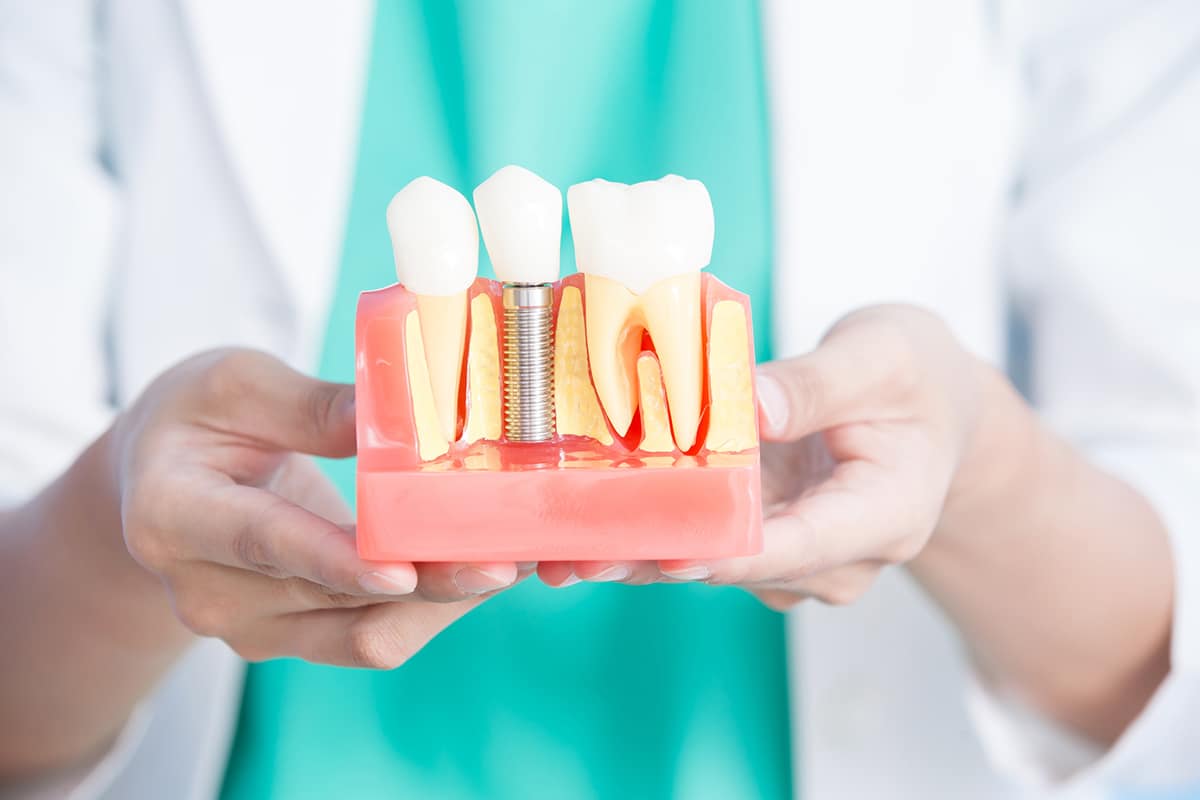
You will first pay for the surgical placement of the implant post. We use a small, screw-like post made of biocompatible titanium as the root of your new tooth. The cost covers the surgeon’s expertise, surgical suite preparation, and the implant itself. Surgery complexity can vary. If you have a healthy jawbone, your procedure may be straightforward. If you need a bone graft to build up your jaw, you also need an extra procedure, which adds to your cost.
Abutment and Crown Costs
After your jawbone and the implant post fuse—a process called osseointegration—we attach the abutment. This piece connects your implant post to your new tooth. Next, we create and secure the dental crown to the abutment. Crown costs depend on the material you choose. Some patients prefer porcelain-fused-to-metal crowns for their durability and lower cost. Others want all-ceramic or zirconia crowns because they look best in the front of the mouth. Each option comes with unique properties and a different price. We discuss these choices with you so we can select what fits your needs and budget.
Factors That Influence the Final Cost
Several factors can influence the total cost of your dental implant treatment. We customize every treatment plan, so each patient pays a different total based on their individual situation. You won’t find one set price for everyone.
Number of Implants Needed
The number of teeth you need to replace is most important. If you only need a single dental implant, your cost will be lower than if you need several teeth replaced. Sometimes, if you miss several teeth in a row, we suggest an implant-supported bridge. In this solution, two implants support a bridge of three or more crowns, which is less expensive than placing an implant for each lost tooth. For those missing all upper or lower teeth, we often recommend an implant-supported denture that relies on a strategic number of implants, usually four to six.
Preparatory Procedures
Your oral health directly impacts your treatment plan and its cost. Before we start implant surgery, some patients may need additional procedures to achieve the best results. If you lack bone to anchor an implant, we’ll build up your jaw with a bone graft. If you need implants in the upper back jaw, we may perform a sinus lift to create enough space and bone height. When you have a damaged tooth that needs removal, extraction adds to your total as well. We conduct detailed evaluations upfront to identify and inform you of every possible need.
Material and Technology Choices
The quality of the materials and technology we use will influence the longevity and success of your implants. Our team uses high-grade titanium for implants and top-quality materials for every crown, giving you durability and a natural look. We also rely on advanced diagnostic and surgical technology, such as 3D CBCT imaging, to help us plan and place implants precisely. This advanced technology ensures you receive excellent, long-lasting results and actual value for your investment.
Dental Insurance and Financing Options
Managing the financial side of dental care can seem overwhelming, but we help you access resources that make your choice easier. Not every insurance plan covers dental implants, but more carriers now offer some coverage. Many used to consider implants cosmetic, but insurance providers are now recognizing their long-term health benefits.
Understanding Your Insurance Benefits
Always check your insurance plan to learn your benefits. Our staff helps with paperwork and submits pre-authorizations so you know what your plan covers. Some insurance policies pay a percentage of implant costs, while others provide a fixed allowance for tooth replacement. Even if your plan does not cover the implant post, it may still offset the cost of the crown or other procedures.
Flexible Spending and Third-Party Financing
Many patients use Flexible Spending Accounts (FSAs) or Health Savings Accounts (HSAs) to cover dental implant costs before taxes, which helps their budget. We also work with third-party financing companies that offer flexible monthly payment plans, many with little or no interest for limited terms. These solutions help you get the care you need now and spread payments out over time. We work hard to find financial solutions so you never have to sacrifice your dental health.
Investing in Your Long-Term Health
When you think about dental implant costs, consider their long-term value. Unlike bridges or dentures, which you might need to replace after 5 to 15 years, dental implants can last a lifetime with proper care. Durability often makes implants more cost-effective over time, saving you the expense and hassle of frequent repairs and replacements. Implants offer benefits that other solutions cannot: they look, feel, and function like natural teeth. You get to eat, speak, and smile with complete comfort and confidence. They also stimulate your jawbone, which prevents natural bone loss that follows tooth loss. This keeps your facial structure intact and your smile healthy for many years.
Frequently Asked Questions About Dental Implants
What is the average cost of a single dental implant in the West Sayville area?
You can expect an average cost for a single dental implant—including surgery, abutment, and crown—to range from a few thousand to several thousand dollars in our area. Your unique circumstances affect the final cost, such as whether you need a bone graft, your crown material choice, and the complexity of your case. We always provide a detailed, personal estimate after your first exam.
Are dental implants worth the investment compared to cheaper options?
Yes. Most patients choose dental implants as the gold standard for tooth replacement. Implants remain the only solution that keeps your jawbone strong and prevents bone loss. Since they last a lifetime with proper care, implants may cost less in the long run than bridges or dentures, which often need repairs or replacement. You’ll also enjoy better comfort, function, and appearance—and those advantages add tremendous value to your quality of life.
We provide state-of-the-art dental care for families and individuals in West Sayville and neighboring communities. Our focus rests on creating healthy, vibrant smiles in a warm, welcoming setting. If you have any further questions or would like to schedule a consultation, please reach out to us.